COMMUNITY TELEVISION | Melbourne's C31 defied a decade of death sentences — and it's still on air
When Malcolm Turnbull put a 2015 expiry date on Melbourne community television station C31, few would have predicted the channel would still be broadcasting a decade later.

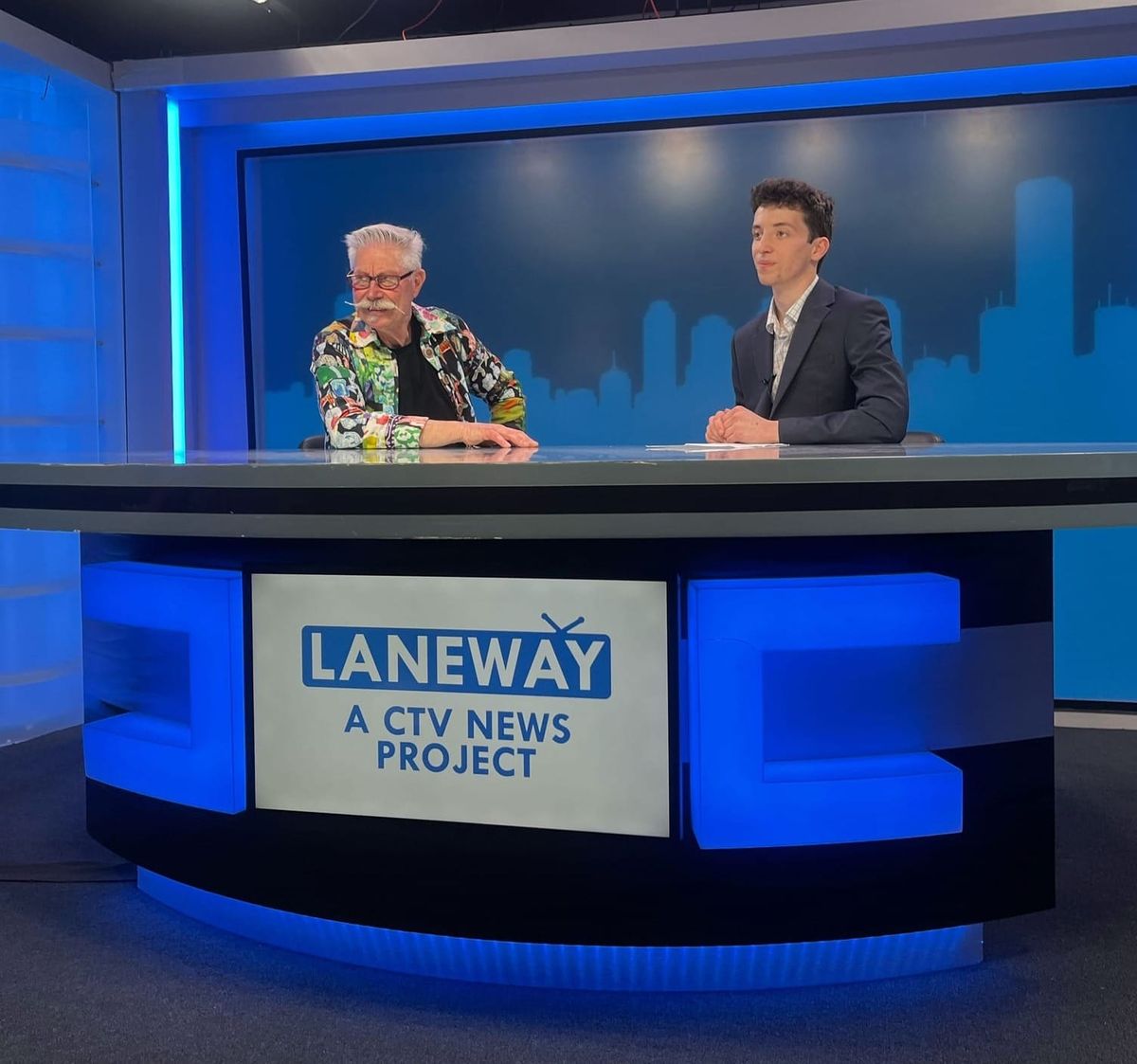
Melbourne community television station C31 has done something no media pundit predicted a decade ago.
It fully embraced the digital transition the government demanded of it, built a genuine streaming presence, but still kept its free-to-air signal alive.
In doing so, it has become the most compelling argument in Australian broadcasting that traditional television channels cannot survive on streaming alone.
When Communications Minister Malcolm Turnbull announced in September 2014 that community TV licences would be wound up, the assumption was clear: the internet had made free-to-air redundant for niche broadcasters.
The government's argument then to community television stations nationwide was to simply move online and get on with it.
What followed was a decade of extensions, political brinkmanship and grassroots campaigning — but also something truly remarkable.
C31 Melbourne didn't fully resist the digital transition.
As early as April 2016, it launched its mobile app with live streaming and video on demand catch-up television.
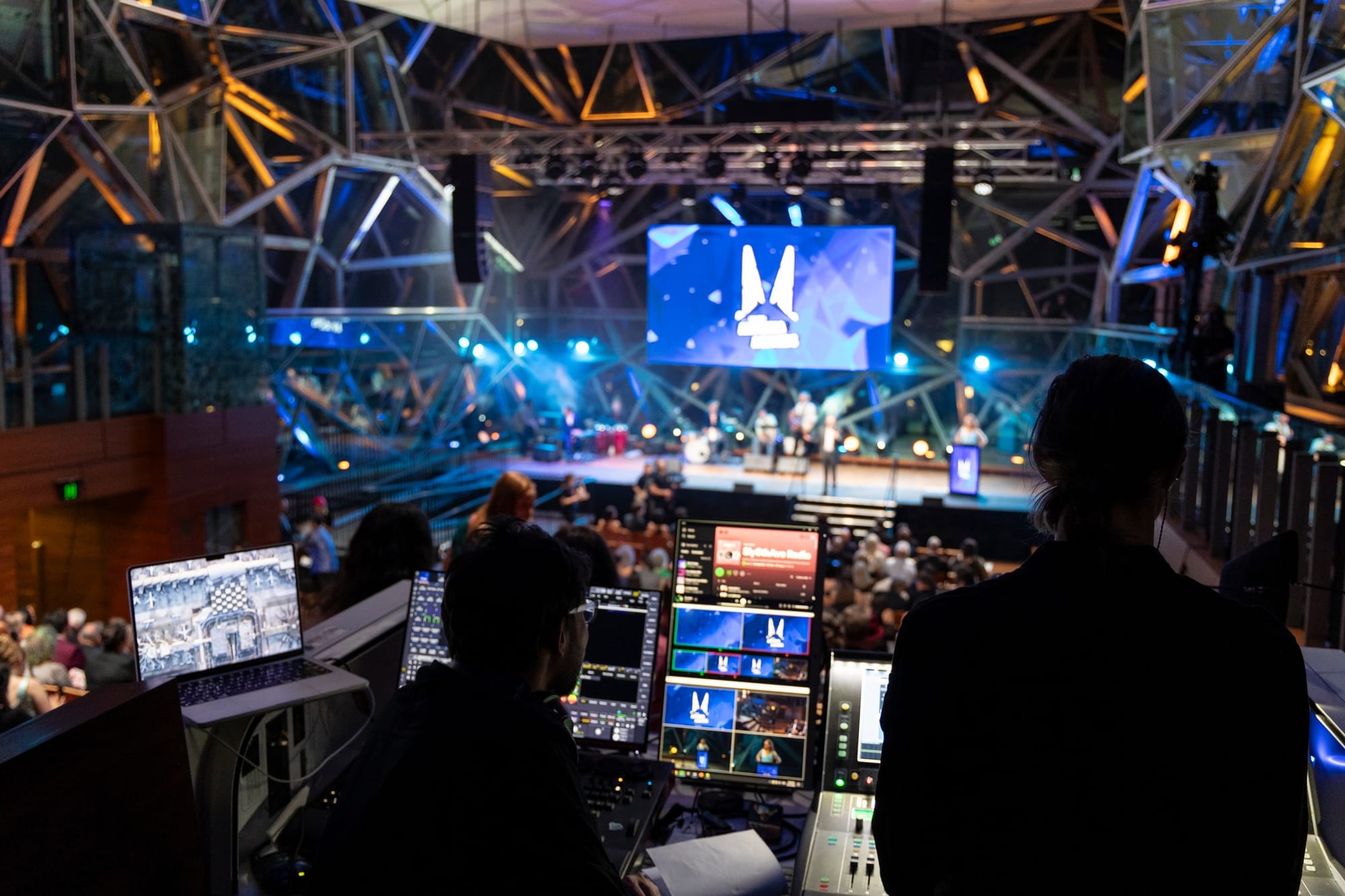
By August 2021, C31 Melbourne and Adelaide's C44 had jointly launched the CTV+ streaming platform, offering both linear and on-demand viewing. A mobile app followed in August 2022 and a smart TV app arrived in November 2025.
By any measure, C31 did exactly what the government asked it to do. It went digital. It built the apps. It streamed.
But its leadership never stopped fighting to keep its free-to-air transmitter running.
All because the audience data told a story that streaming evangelists consistently ignored.
OzTam figures show 1.4 million Melburnians tune in to C31 each month, with individual programs drawing audiences of up to 180,000 viewers.
Those are not streaming numbers — they are free-to-air numbers, from a community station with annual revenue of approximately $1.3 million, primarily through sponsorship, airtime sales and funded video production.
The contrast with other community stations that went digital-only is stark.
Brisbane's 31 Digital launched a streaming service in 2017 that collapsed within a year. They tried again as Hitchhike TV in 2018, and went offline in 2019 with no fanfare.
C31 survived precisely because it refused to choose.
It treated free-to-air and digital not as opposites but as complementary platforms serving different parts of the same community.
This strategy satisfied both older viewers who still reach for a remote and younger ones who tap a phone.
The Albanese Government ultimately validated that argument when it passed the Broadcasting Services Amendment (Community Television) Bill 2024, securing C31's on-air future indefinitely.
A further $3 million government funding was also announced in December 2024 to boost the TV channel over the next three years.
C31's journey is a masterclass for any broadcaster tempted to abandon the aerial for the algorithm.
The streaming audience is real. But so is the one sitting on the couch with the remote.