"NEXT TWO DAYS" | Trump's new plan revealed as Strait of Hormuz tension escalates
United States President Donald Trump has flagged a possible return to Pakistan for nuclear talks with Iran within days.

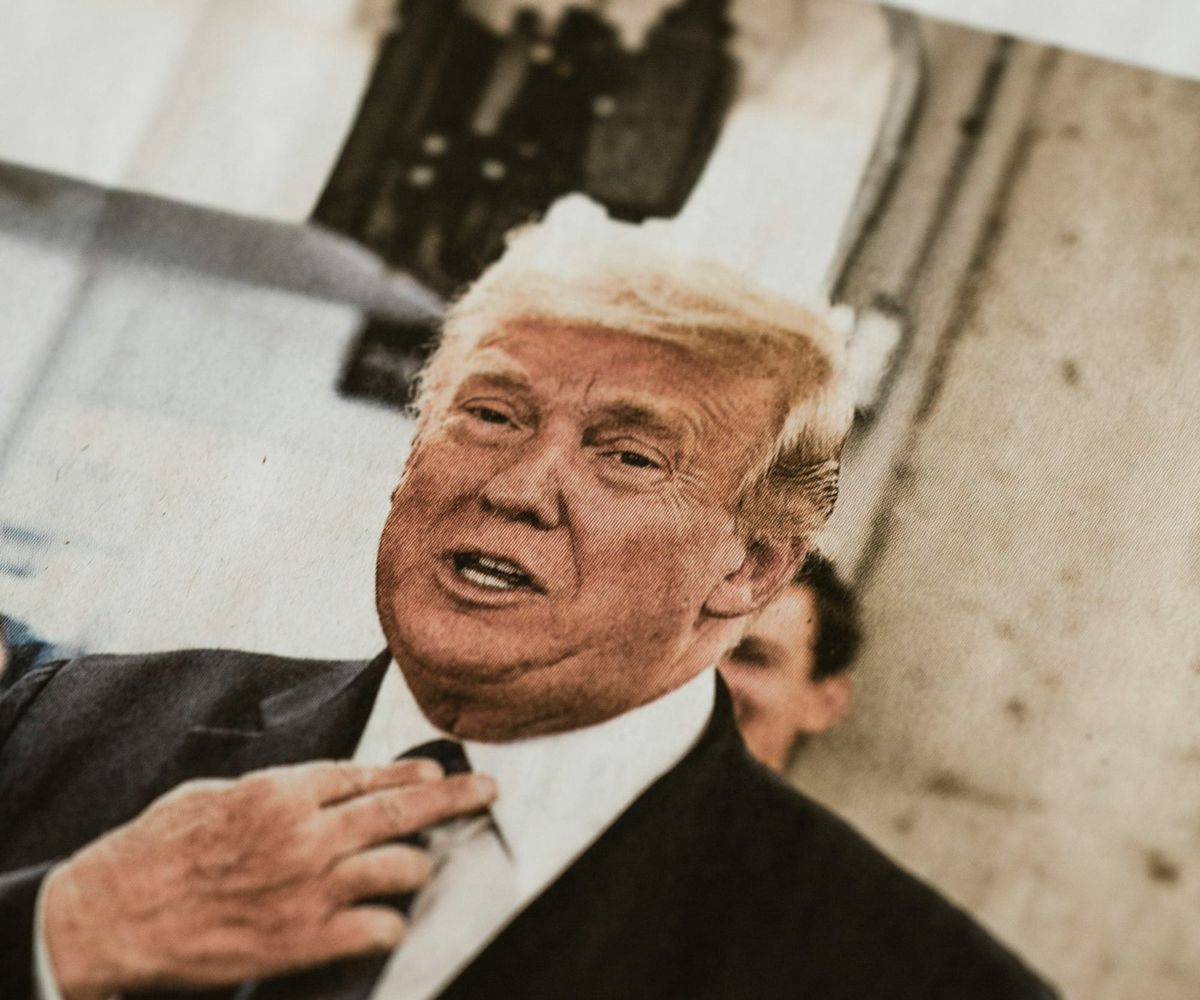
Speaking to the New York Post, Mr Trump hinted negotiations could resume as soon as this week, crediting Pakistani army chief Field Marshal Asim Munir with helping keep diplomatic channels open.
"You should stay there, really, because something could be happening over the next two days, and we're more inclined to go there," Mr Trump said.
"He's fantastic, and therefore it's more likely that we go back there."
The comments come after weekend negotiations in Islamabad collapsed without an agreement, triggering Washington's decision to impose a sweeping naval blockade on Iranian ports — a dramatic and potentially destabilising move that has sent shockwaves through global energy markets.
The scale of the operation is staggering. US Central Command confirmed more than 10,000 military personnel, over a dozen warships and scores of aircraft are now enforcing the blockade across the Arabian Gulf and Gulf of Oman.
In the first 24 hours alone, not a single vessel breached the cordon. Six merchant ships were turned back, complying with US orders to return to Iranian ports.
"The blockade is being enforced impartially against vessels of all nations entering or departing Iranian ports and coastal areas," Central Command said in a statement.
Critically, Washington has sought to reassure trading partners that legitimate shipping lanes remain open.
US forces stress they are "supporting freedom of navigation for vessels transiting the Strait of Hormuz to and from non-Iranian ports."
The Strait of Hormuz is one of the world's most strategically vital waterways, carrying roughly a fifth of global oil supply — making any prolonged disruption a major concern for markets and governments worldwide.
The sticking point that derailed the initial round of talks remains Iran's nuclear ambitions, which the White House has identified as non-negotiable.
Tehran has so far refused to meet American demands, and no breakthrough appeared imminent as both sides headed into the week.
But a diplomatic source told Reuters there was cautious optimism behind the scenes, with a proposal already shared with both delegations to reconvene in the Pakistani capital, potentially as early as Friday.
"No firm date has been set, with the delegations keeping Friday through Sunday open," a senior Iranian source said.