The spectrum that never came: how the case against community TV fell apart
Community TV was sacrificed for a next-generation broadcasting future that still has not arrived, leaving Sydney, Brisbane and Perth without the local stations they once relied on.

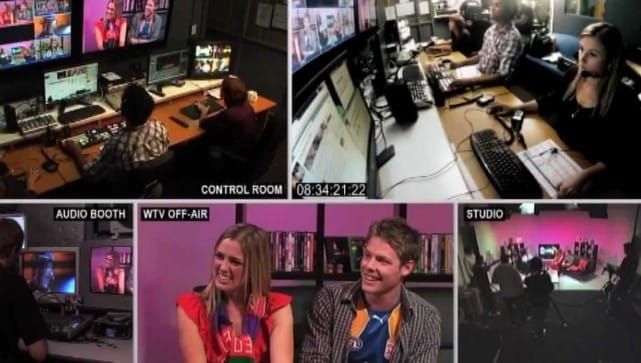
When Malcolm Turnbull pulled the plug on community television licences in 2014, the argument was simple: the broadcast spectrum occupied by the local stations was needed for bigger things.
Next-generation broadcasting. 4K television. The future.
A decade on, that future still hasn't arrived — and the communities who lost their local stations have nothing to show for the trade.
As late as 2021, Australian free-to-air networks had yet to adopt the DVB-T2 standard that supports 4K and 8K Ultra HD broadcasting, despite Australians buying capable televisions for years.
Preliminary trials were carried out in 2018 and a second phase conducted in 2019 on the Gold Coast, but full-scale implementation remained pending.
In Europe, the same technology had been mandated in new televisions since 2017.
The government's other argument of freeing spectrum for mobile telecommunications had more substance. However, that argument largely related to a different band of spectrum cleared years earlier through a separate digital television restack program.
The specific spectrum occupied by community television stations in Sydney, Brisbane and Perth sat largely idle after those stations went dark.
Community television was ordered to vacate its broadcast signals and pivot to an online model years before streaming became commonplace, and the ongoing uncertainty spelled the end of community TV in Sydney, Brisbane and Perth.
At the height of the debate, Communications Minister Mitch Fifield argued the spectrum was needed for next-generation broadcasting technologies including terrestrial 4K television.
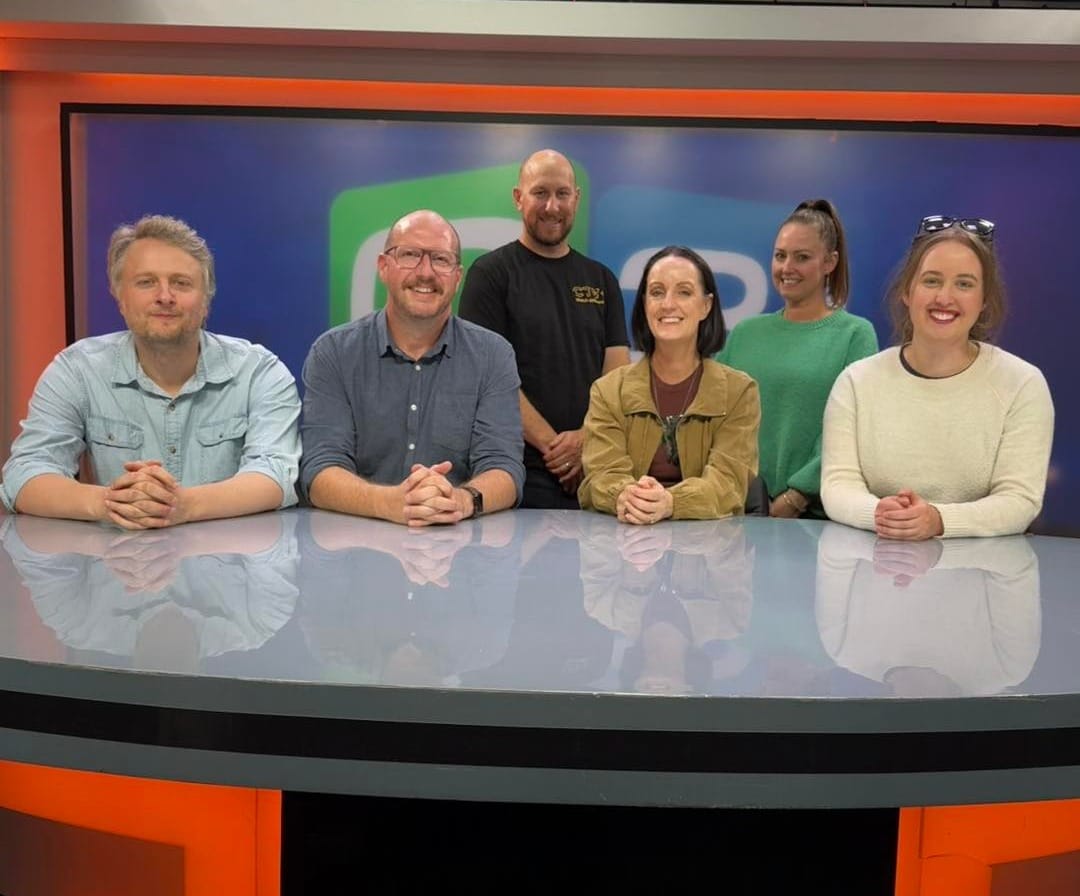
Channel 31's general manager Matthew Field shot back then that if stations were switched off, their spectrum would remain vacant for years — and he was right.
Even now, the remaining community TV stations, C31 Melbourne and Channel 44 Adelaide are only being granted broadcast spectrum until any alternative use for their channels is identified.
The 2024 indefinite extension granted by the Albanese government was a tacit admission that the urgency Turnbull and his successors claimed never existed.
Free TV Australia remains hopeful that DVB-T2 will eventually enable 4K broadcasts for Australian viewers, but the technology is still described as being in a testing phase.
More than a decade after community television was told to make way, commercial broadcasters have yet to deliver the upgrade that justified the eviction.
The government's spectrum argument was not entirely without merit.
Broadcast frequencies are a finite public resource and their long-term management matters. But the execution was brutal and the timeline unrealistic.
Stations were pushed off air on the promise of a technological leap that crawled at a snail's pace, while the communities they served were left with nothing in the interim.