BREAKING | US and Iran set to clash at Strait of Hormuz
The United States and Iran are on a collision course at the Strait of Hormuz after Donald Trump ordered a full blockade of Iranian ports, setting the stage for a dangerous new phase in the conflict.

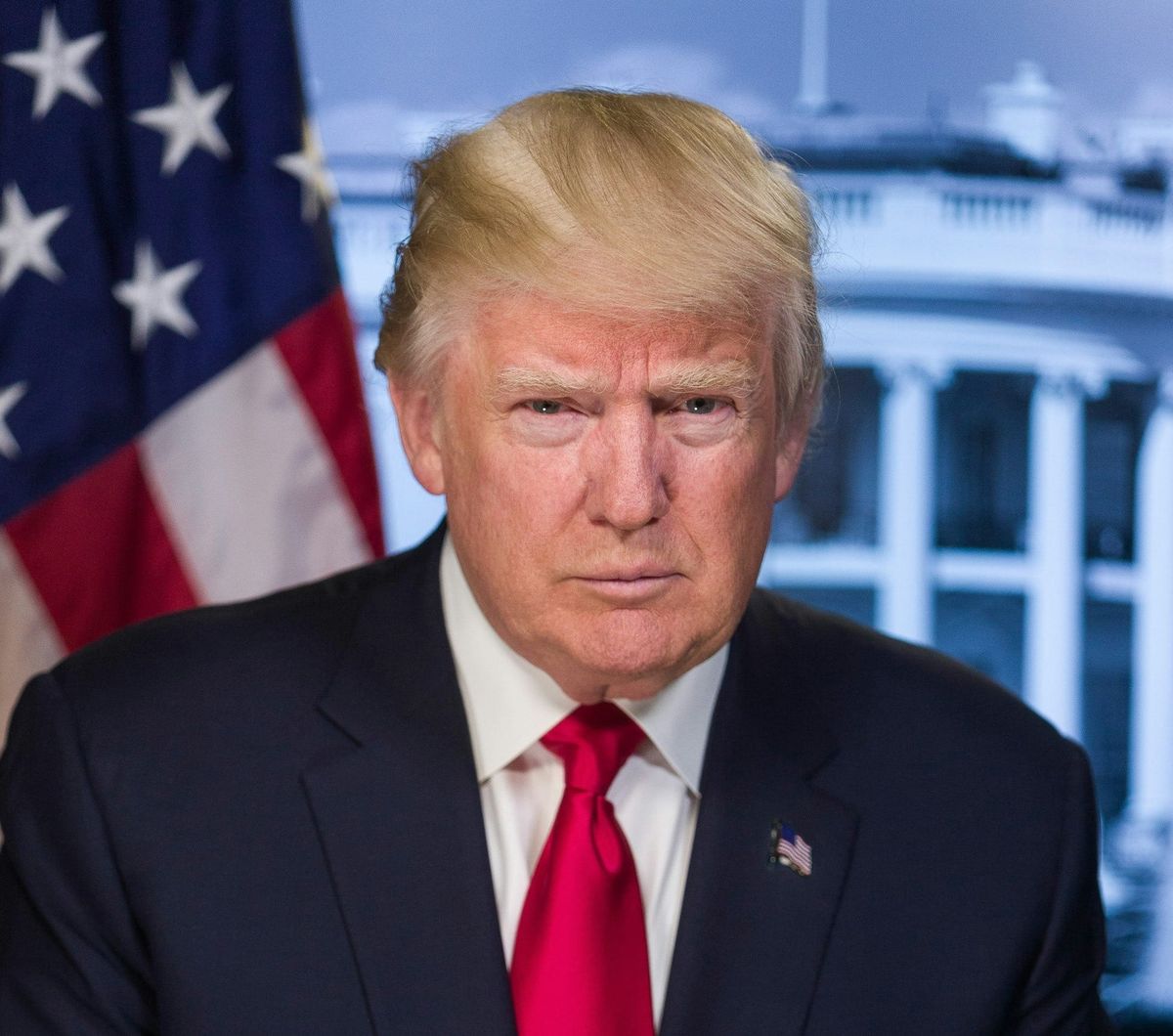
The US President announced the blockade after weekend ceasefire talks in Islamabad ended without a deal, declaring American forces would intercept every vessel travelling to or from Iran.
Trump further warned that "any Iranian who fires at us, or at peaceful vessels, will be blown to hell".
The Islamic Revolutionary Guard Corps hit back within hours, warning that any military vessel approaching the strait would be considered a ceasefire breach and met "harshly and decisively".
Two US guided-missile destroyers, the USS Frank E. Petersen and the USS Michael Murphy transited the waterway on Saturday as part of a mission to clear sea mines, marking the first such passage during the conflict.
Tehran released footage purporting to show its forces threatening one of the warships, with an IRGC officer heard ordering the vessel to turn back to the Indian Ocean or "be targeted".
The American crew responded that it was conducting lawful transit passage.
The IRGC then broadcast a chilling warning to all ships in the area to stay at least 10 miles from any warship because Iranian forces were "ready to open fire without warning".
While American strikes have devastated Iran's conventional navy, sinking more than 155 vessels, six of seven frigates and all 28 of its minelaying boats.
However, Tehran's asymmetric fleet remains largely intact.
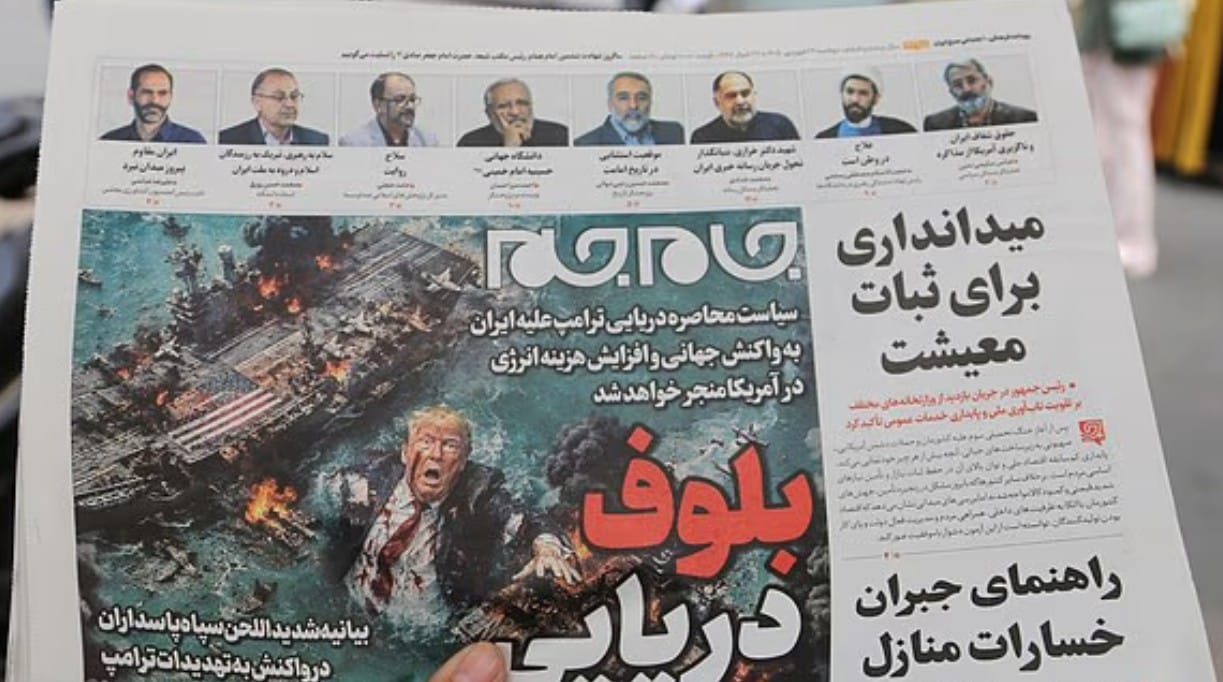
The IRGC is believed to maintain between 3,000 and 5,000 armed speedboats designed for operations in the strait's confined waters, along with waterborne drones and an estimated stockpile of thousands of sea mines.
At least 50 strikes have targeted commercial shipping since late February, and Iran has warned of antiship mines in the main channel.
The threat alone has crippled traffic through the passage, which normally carries a fifth of the world's oil supply.
Daily crossings have plummeted from more than 100 to as few as four, with captains refusing orders to enter the strait.
US Central Command said it was establishing a new safe passage and would share the route with the maritime industry to restore the free flow of commerce.
But sceptics have questioned whether a blockade can force Tehran's hand.
Former senior Pentagon official Dana Stroul warned the mission was "difficult to execute alone and likely unsustainable over the medium to long term".
Republican congressman Mike Turner countered that Trump was "calling all of our allies and everyone to the table" to resolve the crisis.