‘Whole civilisation will die tonight’: US-Iran ceasefire struck after threat over Strait of Hormuz
Donald Trump has pulled back from the brink of catastrophic war with Iran, agreeing to a two-week ceasefire just hours after threatening to wipe out an entire civilisation.

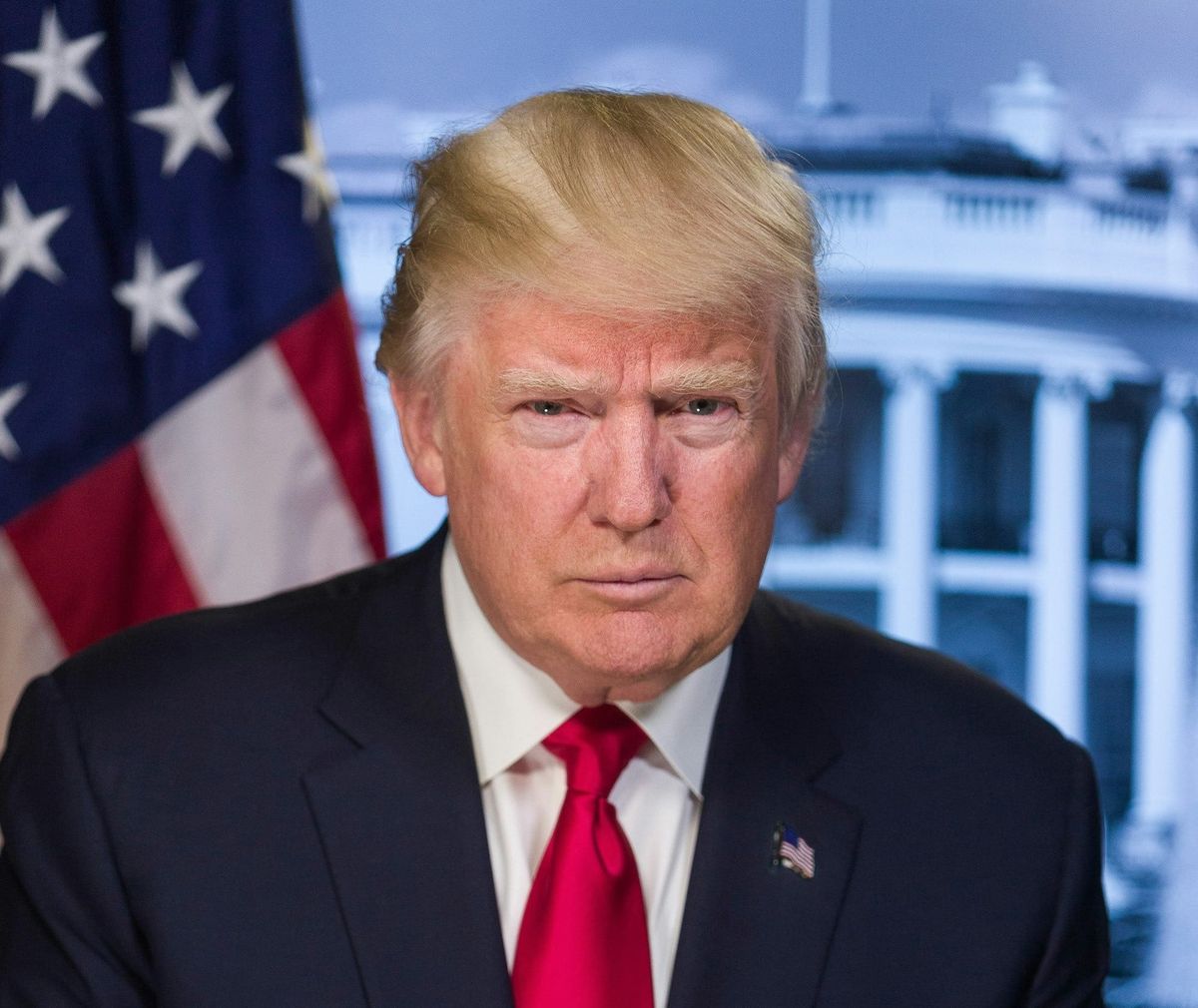
The US President announced the suspension of planned strikes on Iranian power plants and bridges on Wednesday morning, posting on Truth Social that a "double-sided ceasefire" had been agreed, on the condition of Tehran re-opening the Strait of Hormuz.
The dramatic de-escalation came less than 90 minutes before Trump's own self-imposed deadline — and only hours after he posted one of the most incendiary messages ever published by a sitting US president.
"A whole civilisation will die tonight, never to be brought back again. I don't want that to happen, but it probably will," Trump wrote.
Democratic Senator Chris Coons called the threat "barbaric" and said it could constitute a war crime.
Senate Democrat leader Chuck Schumer did not hold back: "This is an extremely sick person," he said.
Stanford Law School Professor Tom Dannenbaum said the threat alone may have violated the US Department of Defence's own operational manual.

Iran confirmed it had agreed to the ceasefire, with Foreign Minister Abbas Araghchi stating that if attacks against Iran were halted, its armed forces would cease defensive operations.
Iran agreed to reopen the Strait of Hormuz for two weeks, co-ordinated through its armed forces. The strait is the critical chokepoint through which about 90 per cent of Iran's oil exports ordinarily pass.
Pakistani Prime Minister Shehbaz Sharif, who played a crucial behind-the-scenes role brokering the deal, said peace talks would begin in Islamabad on Friday.
Israel also agreed to the ceasefire, which Pakistan confirmed would extend to Lebanon.
In a further sign of goodwill ahead of the agreement, several Western hostages held by Iranian-backed groups were released.
French President Emmanuel Macron announced two French citizens had been freed after three and a half years of detention in Iran, while Iraq-based group Kataib Hezbollah said it would release kidnapped American journalist Shelly Kittleson.
Trump framed the ceasefire as a victory, saying the US had "already met and exceeded all military objectives" and was close to a long-term peace agreement with Iran.
However, not everyone was convinced.
Iran expert Karim Sadjadpour from the Carnegie Endowment for International Peace said Trump's civilisation threat had been a gift to the Iranian regime, alienating even its fiercest domestic opponents.
Australian Prime Minister Anthony Albanese and Foreign Minister Penny Wong issued a joint statement welcoming the ceasefire, with Albanese separately labelling Trump's earlier threats "inappropriate".